Cedar Care llc
Choosing the Right Chinking Material for Your Log Home
Selecting the appropriate chinking material for your log home is crucial to ensure energy efficiency, protection, and longevity. Explore various materials available for chinking and learn how to make an informed choice that suits your home's needs.

Understanding the Importance of Chinking
Chinking is essential for maintaining the energy efficiency and structural integrity of log homes. It fills the gaps between logs, preventing drafts, moisture intrusion, and pest infestations. Choosing the right chinking material can significantly impact your home's performance and comfort.
Log homes expand and contract with temperature changes, making flexible and durable chinking materials necessary to accommodate these movements.
- Enhances energy efficiency
- Prevents moisture and pest intrusion
- Accommodates natural movements of logs
Types of Chinking Materials
There are several types of chinking materials available, each with its own benefits and considerations. Understanding these options will help you make the best choice for your log home.
Traditional chinking was made from a mixture of lime, sand, and clay. Modern advancements offer synthetic chinking materials that provide greater flexibility and durability.
- Synthetic chinking: Offers flexibility and longevity
- Traditional chinking: Historical appeal but less durable
- Latex-based chinking: Easy to apply and maintain
Factors to Consider When Choosing Chinking Material
When selecting chinking material, consider factors such as climate, aesthetic preferences, and budget. The material should withstand local weather conditions and complement the visual appeal of your log home.
Proper installation is as important as the material itself. Ensuring a professional application will maximize the benefits of your chosen chinking.
- Climate and weather conditions
- Aesthetic match with log home
- Budget and maintenance requirements
Professional Chinking Services
While some homeowners may attempt DIY chinking, professional services ensure a higher standard of quality and longevity. Professionals have the experience and tools necessary to apply chinking materials effectively.
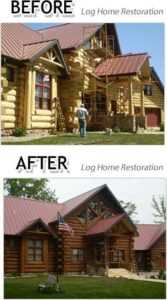
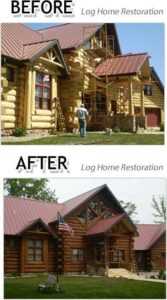
Cedar Care LLC offers expert chinking services, ensuring your log home is well-protected and maintains its charm. Our team uses high-quality materials and techniques tailored to your home's specific needs.
- Expert assessment and material recommendation
- High-quality application techniques
- Long-term protection and energy efficiency
Frequently Asked Questions
What is the best chinking material for log homes?
The best chinking material depends on factors such as climate, aesthetic preferences, and budget. Synthetic chinking materials are popular due to their flexibility and durability.
How often should chinking be replaced?
Chinking should be inspected regularly and replaced as needed. Synthetic chinking typically lasts longer, often requiring replacement every 15-20 years, depending on environmental conditions.
Ensure the Safety and Efficiency of Your Log Home
Choosing the right chinking material is crucial for protecting your log home. Contact Cedar Care LLC for a professional consultation and ensure your home is equipped with the best solutions.